

Throughout history, civilizations live through irreversible inflection points that impact their fortune. July 16, 1769 marks such a point in the history of San Diego. Two weeks after arriving in San Diego, the Spanish Franciscan Father Junipero Serra raises the Christian cross on a hill overlooking the San Diego River delta (now Mission Valley). This architectural act, symbolically broke ground on the construction of the ‘Mission San Diego de Alcala’.
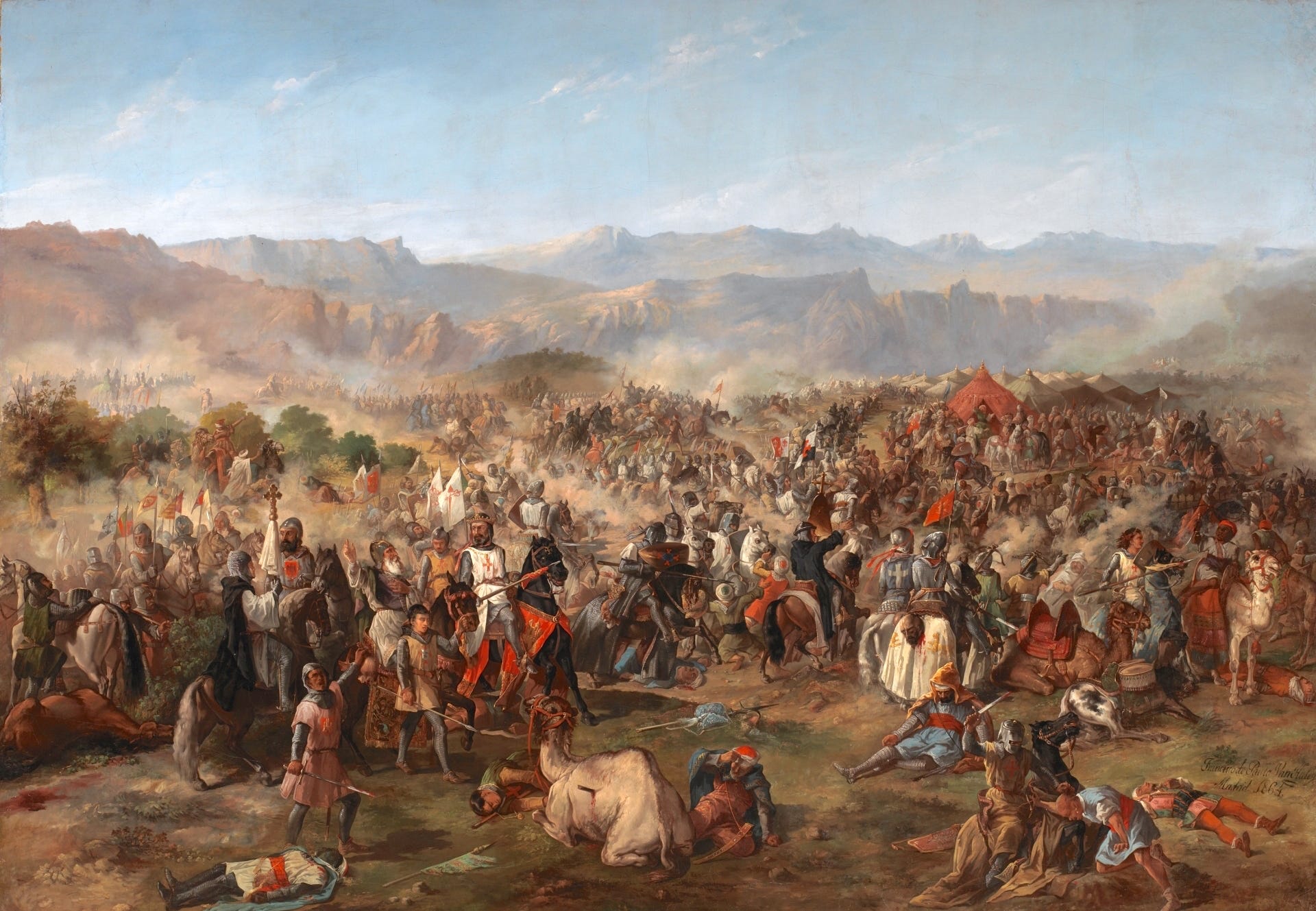
Two weeks later (Aug. 15), a band of Kumeyaay ambush the nascent Spanish outpost, killing one.
The raising of walls represents a basic function of all civilizations, architecture – even unrefined and primitive, signals commitment to a specific time, space, and scale. The Kumeyaay likely did not have a word for architecture, however, they understood what walls represented and responded reflexively with a symmetrical act of warfare.
At the time, neither the Kumeyaay nor the Spanish would have known this, yet they were participating in a broad natural cycle present since the dawn of civilization. Even after 1769, the Spanish and Kumeyaay continued to display acts of architecture and warfare, one following the other almost as a form of principle.
It’s no large leap to suggest that civilizations leave records of their legacy in their architecture and warfare. The Roman image of water as a medium for architecture, is evident by the still standing aqueducts and public baths. In contrast, the American image of water as a medium for warfare, is present in the fleet of supercarriers and submarines with nearly unrestricted access to the planets oceans.
Civilizations are thus continuously producing new forms of architecture and warfare, one initiating the other and at times one transforming into the other.
In San Diego, the Spanish Mission was initiated as architecture yet transformed into an ambush on the nascent Kumeyaay civilization, killing one.